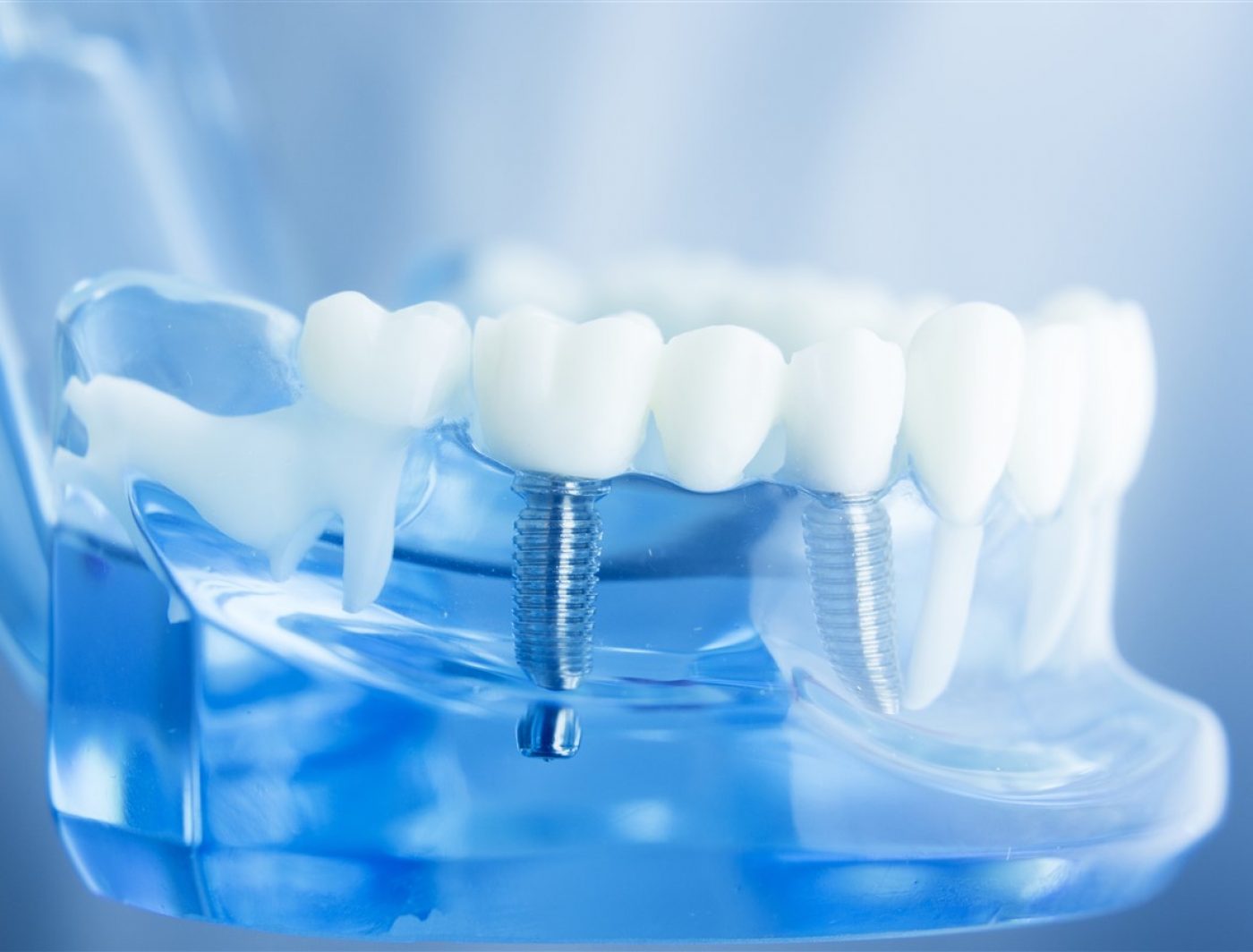
Dry socket is a condition in which there is inflammation of the jawbone (or alveolar bone) after a tooth extraction. It is also referred to as “alveolar osteitis” and is one of the many complications that can occur from a tooth extraction. Dry socket is a painful dental condition that sometimes happens after you have a permanent adult tooth extracted. Dry socket is when the blood clot at the site of the tooth extraction fails to develop, or it dislodges or dissolves before the wound has healed. The socket becomes inflamed and may fill with food debris, adding to the pain. If you develop dry socket, the pain usually begins one to three days after your tooth is removed. Dry socket is the most common complication following tooth extractions, such as the removal of third molars (wisdom teeth). Symptoms: Signs and symptoms of dry socket may include: Severe pain within a few days after a tooth extraction, Partial or total loss of the blood clot at the tooth extraction site, which you may notice as an empty-looking (dry) socket, Visible bone in the socket, Pain that radiates from the socket to your ear, eye, temple or neck on the same side of your face as the extraction, Bad breath or a foul odor coming from your mouth, Unpleasant taste in your mouth.
More journal info: http://www.sciaeon.org/dentistry-and-practices/home
Article page: http://www.sciaeon.org/dentistry-and-practices/articles-in-press
Explore your manuscript: http://www.sciaeon.org/submit-paper
For any queries: dentistry@sciaeonopenaccess.com
 Dentistry and Practices